What metal 3D printing technology do you use?
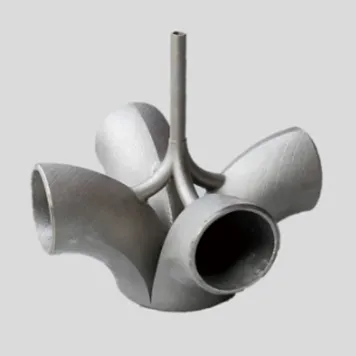
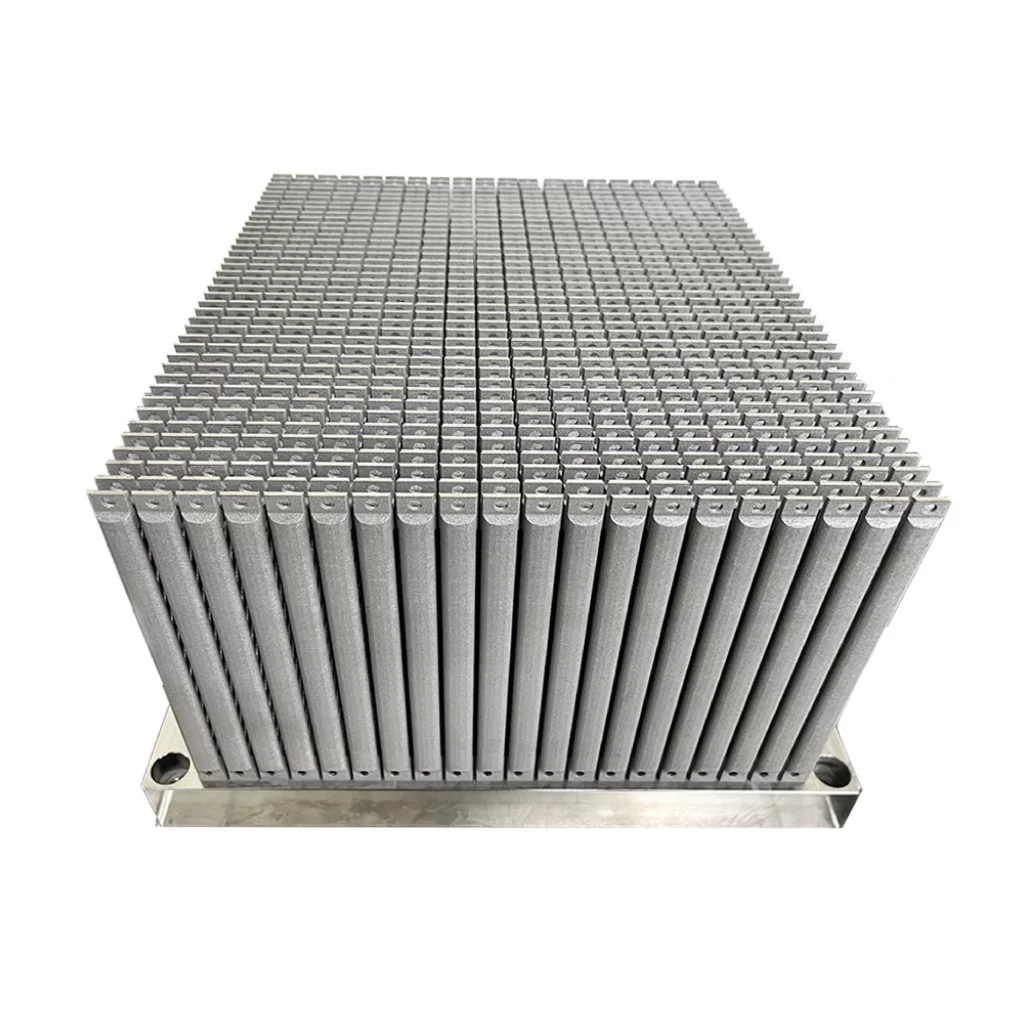
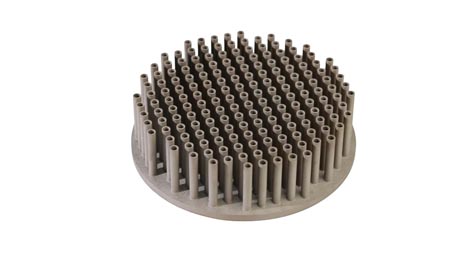
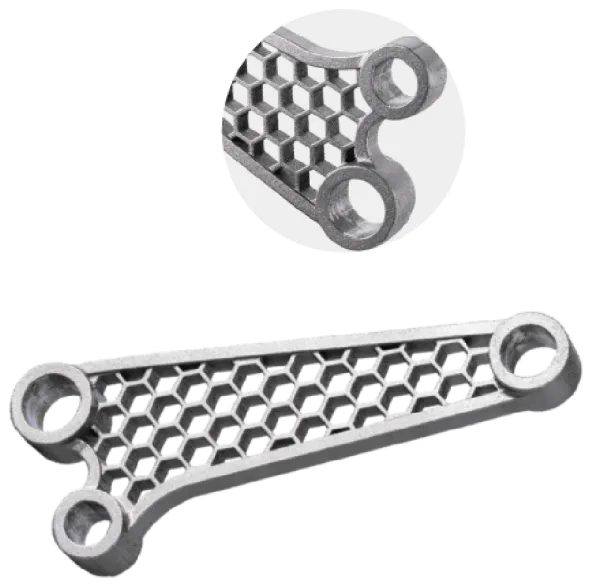
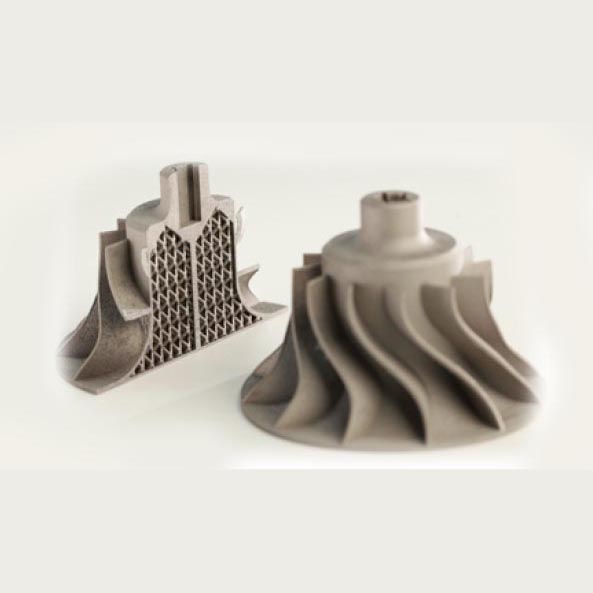
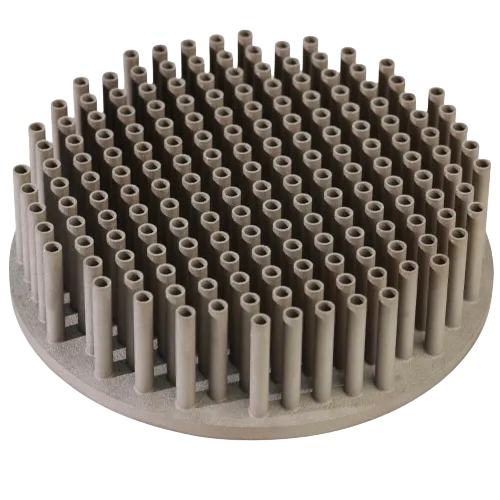
L-PBF: Laser-Powder Bed FusionL-PBF uses a high-power laser to selectively melt metal powder layer by layer. It is suitable for complex geometries, lightweight structures, internal channels, and high-performance metal components.
Which metal materials are available?
Common materials include titanium alloys, aluminum alloys, stainless steel, nickel alloys, cobalt-chromium alloys, and other metal powders depending on project requirements.
What are the advantages of metal 3D printing?
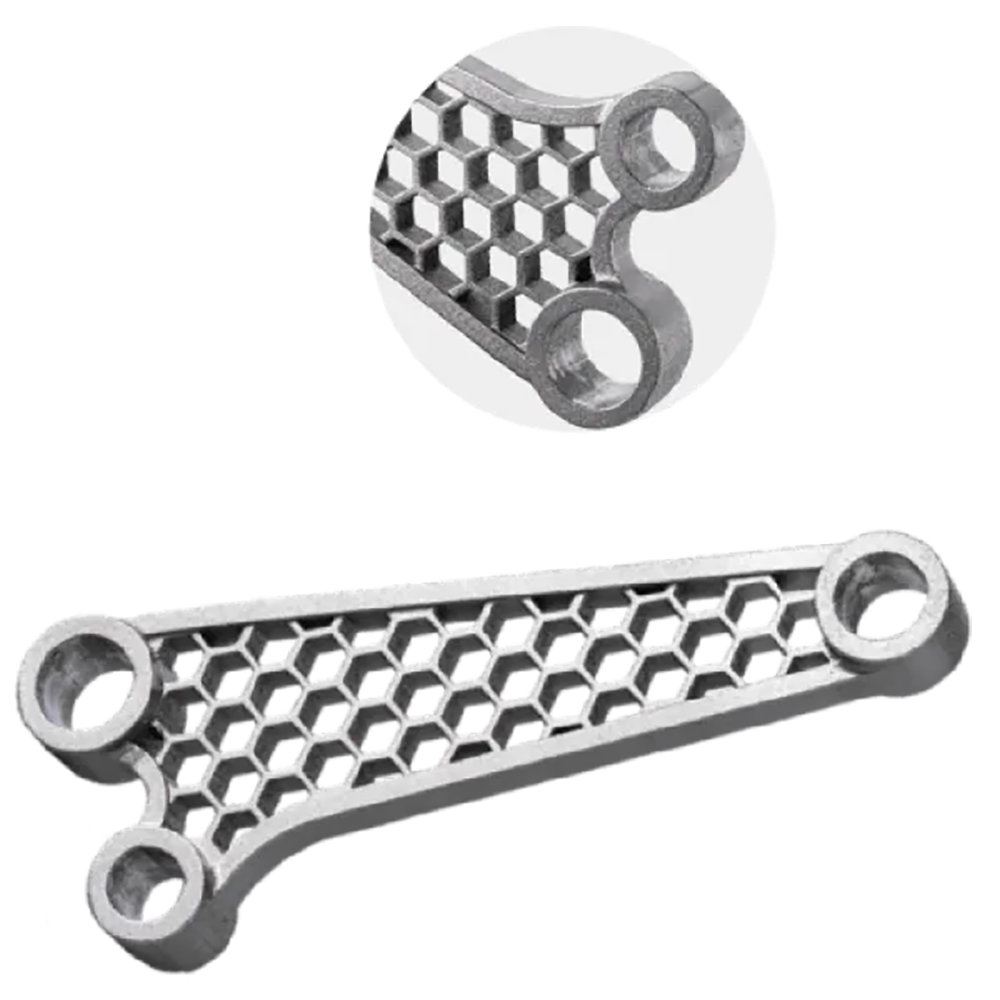
- Complex structures can be produced without traditional tooling limits.
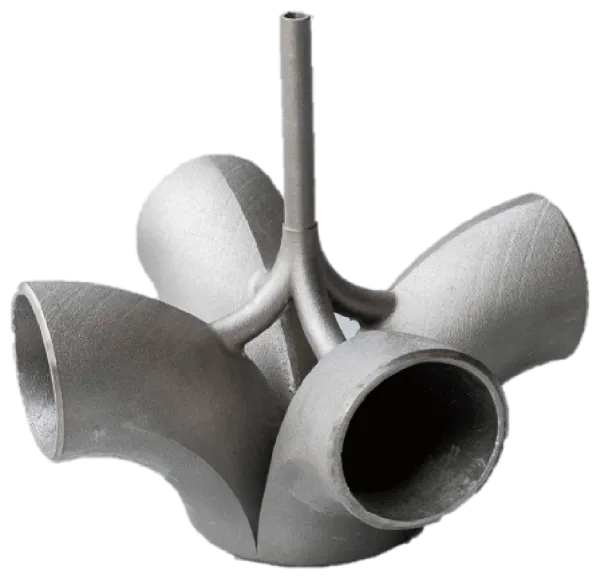
- Parts can be consolidated into a single component to reduce assembly and welding risk.
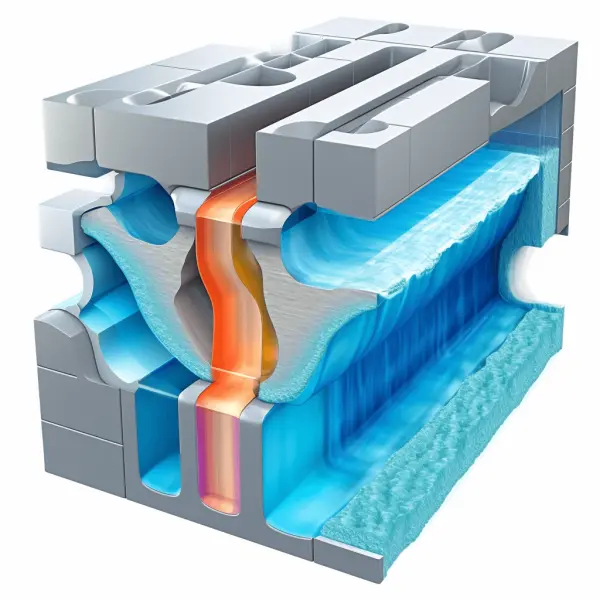
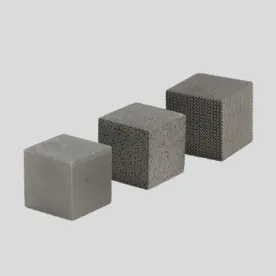
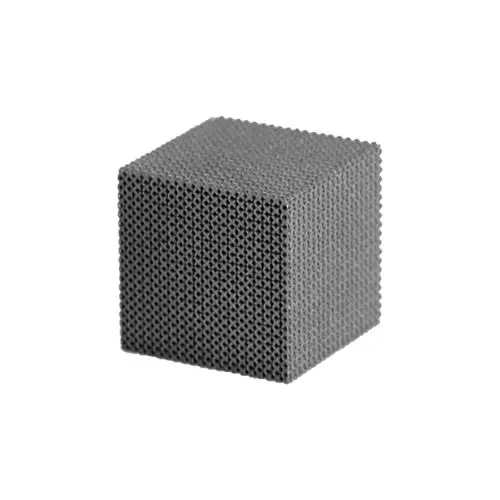
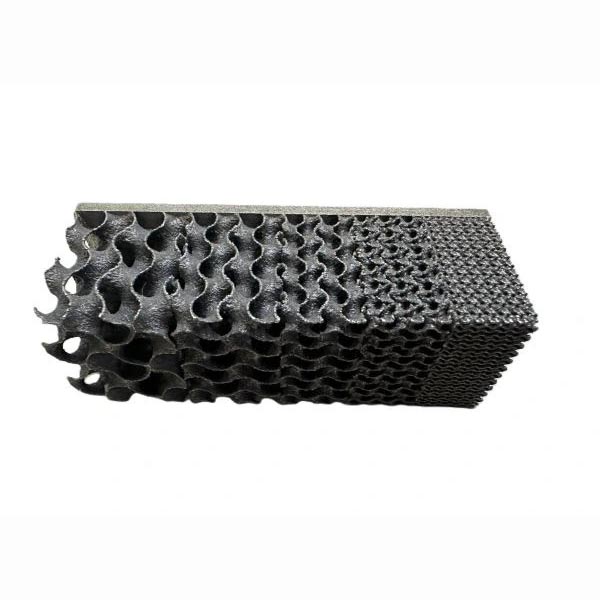
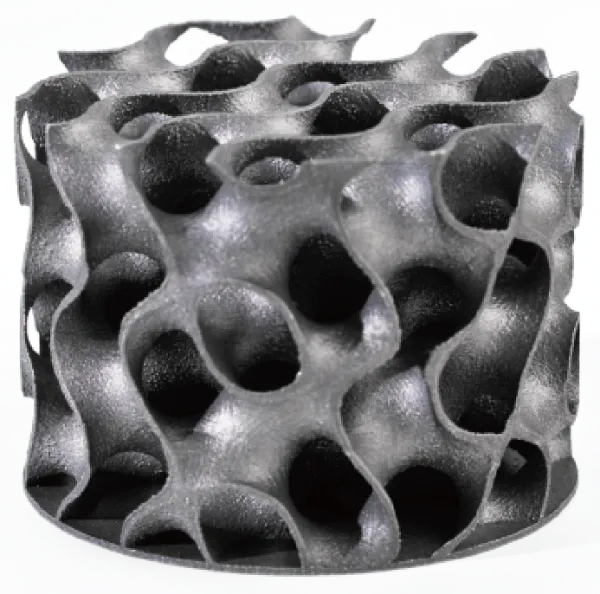
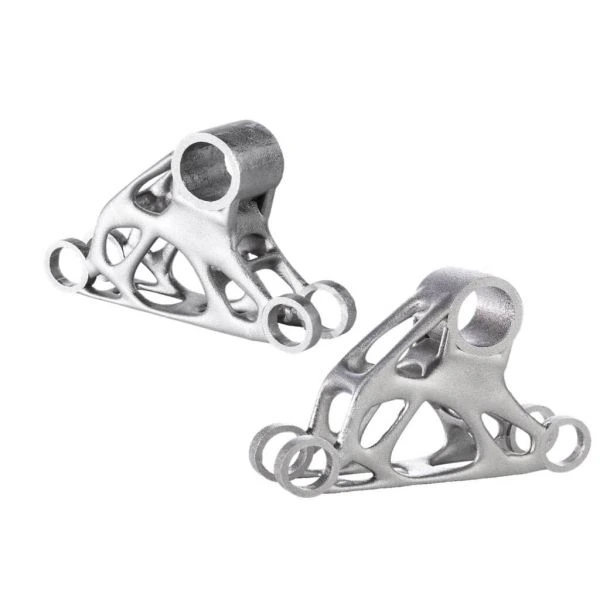
- Internal channels, lattice structures, and topology-optimized designs can improve performance.
- It supports small-batch production, prototyping, and design verification.
- Material usage can be reduced compared with subtractive manufacturing.
Can you support design optimization?
Yes. Rayvatek can support design review, manufacturability evaluation, topology optimization, support strategy, post-processing planning, and inspection recommendations.
Can parts be post-processed after printing?
Yes. Depending on the part, post-processing may include stress relief, heat treatment, support removal, CNC machining, polishing, surface treatment, or inspection.
Can metal 3D printed parts replace CNC parts?
It depends on the geometry, tolerance, material, and application. Metal 3D printing is especially useful when the design is difficult or inefficient to make with CNC alone.
What tolerances can be achieved?
Tolerance depends on material, size, orientation, and post-processing. CNC finishing can be added when tighter functional surfaces are required.
Is there a minimum order quantity?
MOQ depends on the project scope, material, part size, and inspection requirements. Please contact Rayvatek with drawings or specifications for evaluation.